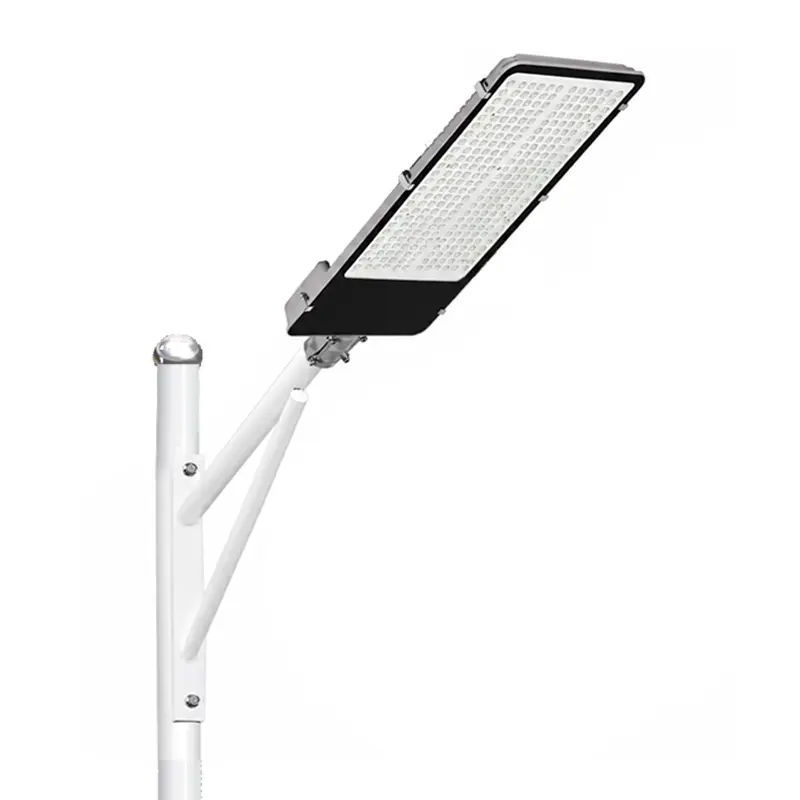
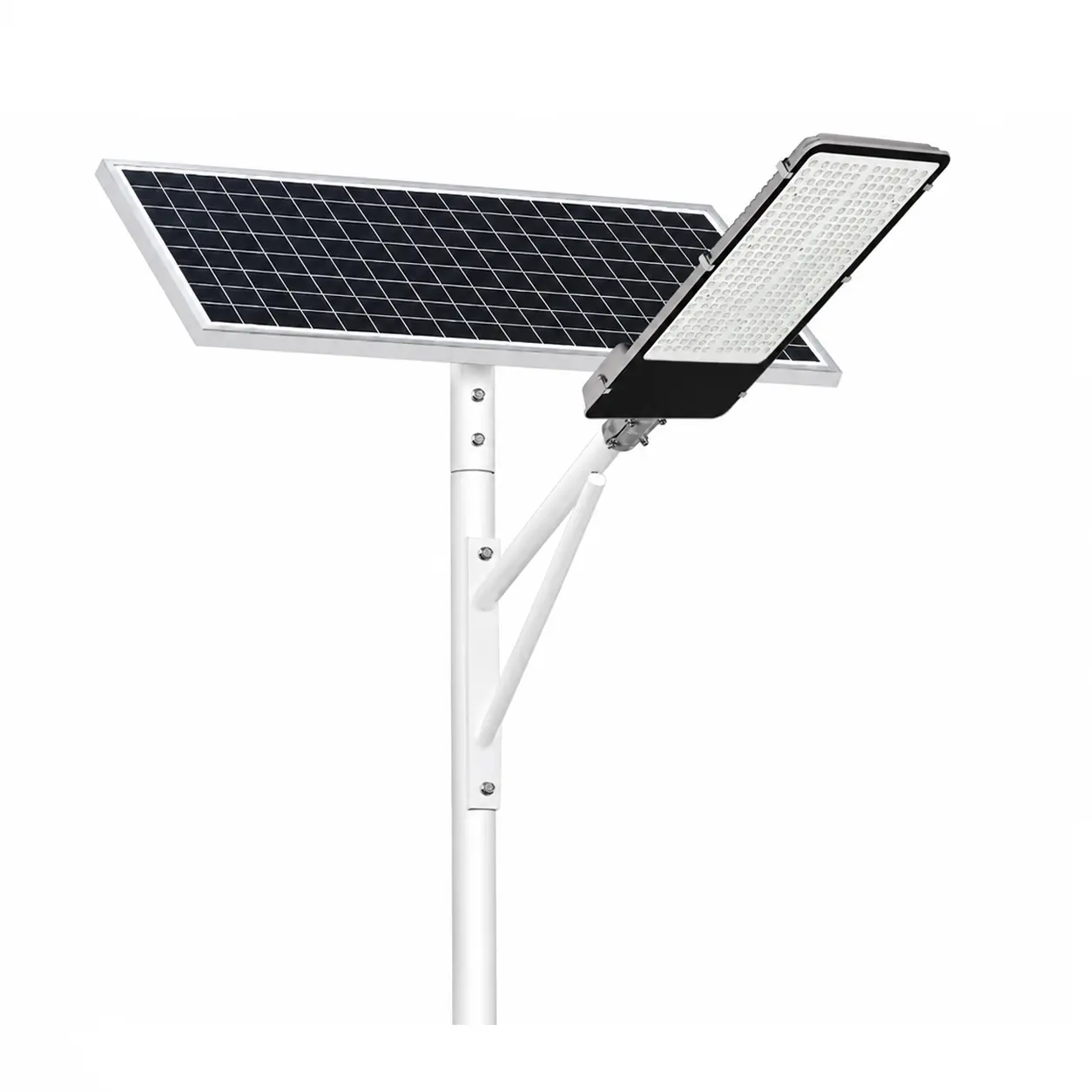
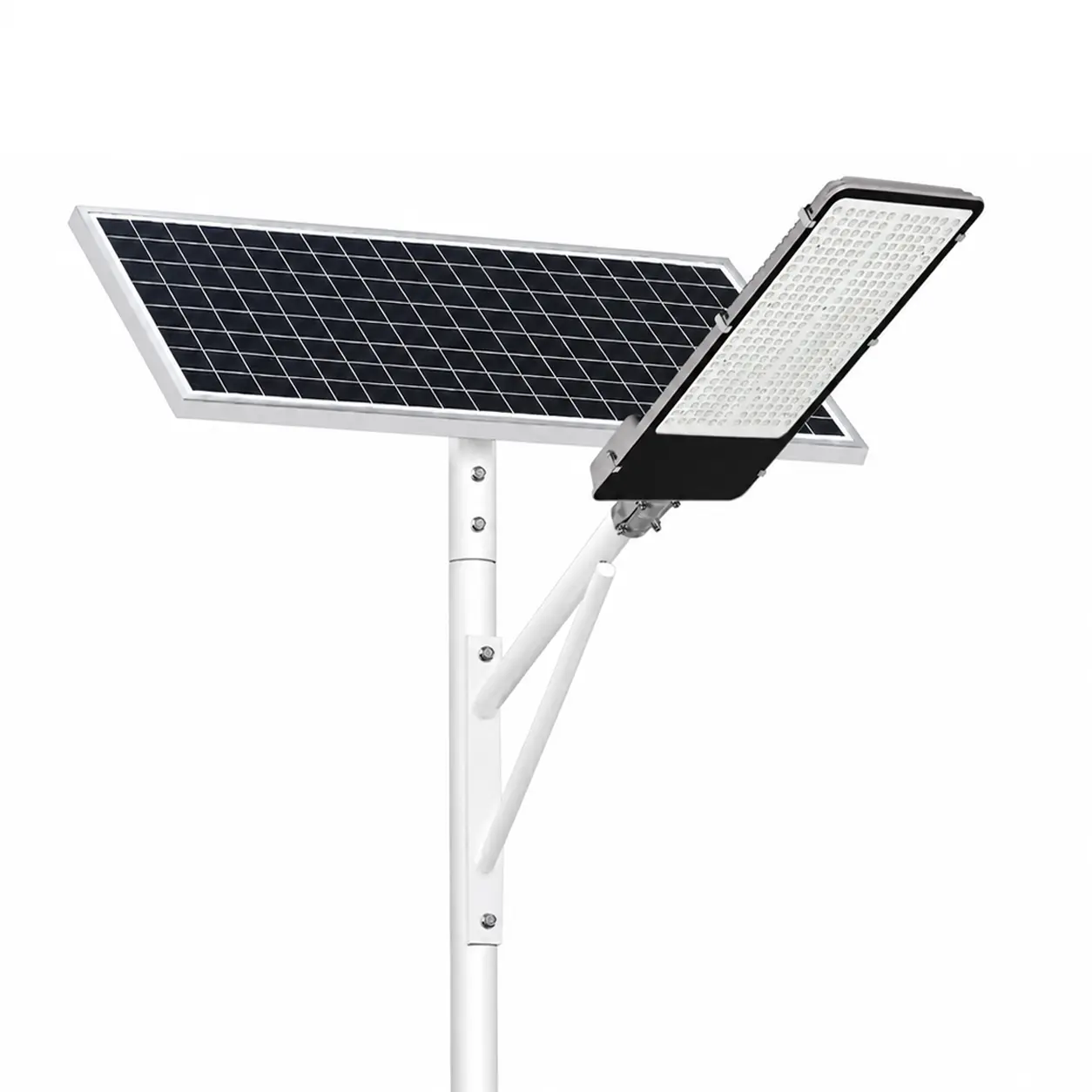
AI IoT Solar Street Lights with GPS Tracking for Remote Projects
- أكتوبر 31, 2026
A missing solar street light creates more work than replacing a fixture. Someone has to confirm what happened, travel to the site, check the remaining equipment, and arrange repairs. Until the light is restored, a road, entrance, or public space may remain dark.
For projects spread across rural roads and remote communities, that process can take considerable time. Maintenance teams may be responsible for hundreds of lights across a large area, with limited staff and long distances between installations.
AI IoT solar street lights with GPS tracking give operators a more practical way to oversee these assets. Location information, operating data, and supported alerts help teams investigate problems before sending someone out. When properly configured, the system can support theft investigations, improve maintenance planning, and reduce unnecessary site visits.
Why Remote Solar Street Lighting Needs Better Asset Protection
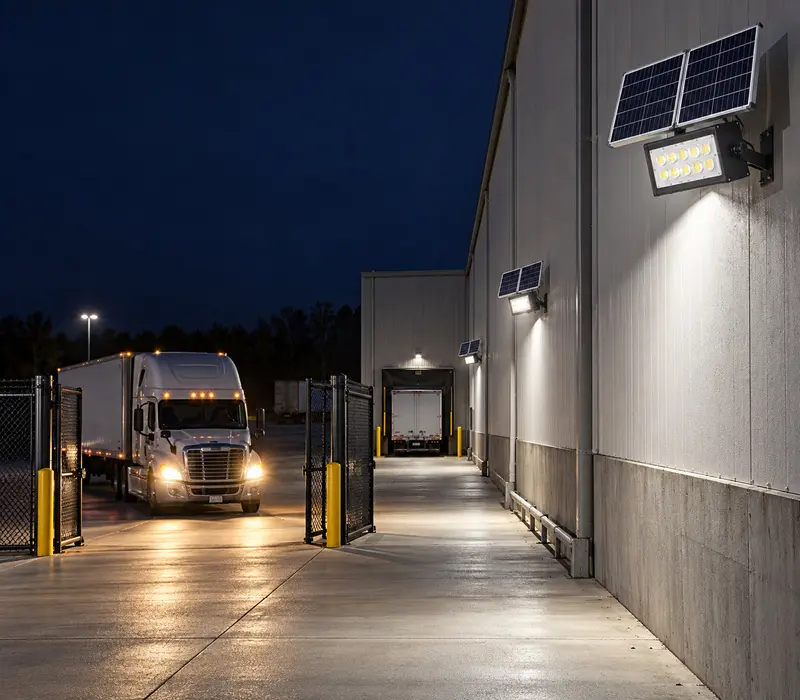
Solar street lights are useful where extending grid electricity would be difficult or expensive. They can serve village roads, agricultural access routes, industrial sites, and isolated public facilities without requiring a continuous grid connection.
However, the same locations can be difficult to supervise. A light beside a quiet rural road may be far from the nearest maintenance office. If equipment is removed, the problem might only be noticed during a scheduled inspection or after a resident reports it.
Where theft is a recurring concern, project owners must consider the full cost of each incident. Replacement equipment is only one part. Transport, technician time, lifting equipment, and installation work also affect the budget.
Repeated losses can leave maintenance teams spending their time replacing missing equipment instead of improving lighting service. Better visibility helps them identify which assets need attention and organize a response sooner.
What GPS Tracking Adds to a Solar Street Light
GPS positioning allows a compatible device to determine its location. A connected controller can then send that information to a management platform through a supported communication network.
For operators, the useful result is a map linked to identifiable lighting assets. Instead of relying only on written descriptions such as “the third pole beyond the village entrance,” a maintenance team can locate the relevant device and review its available information.
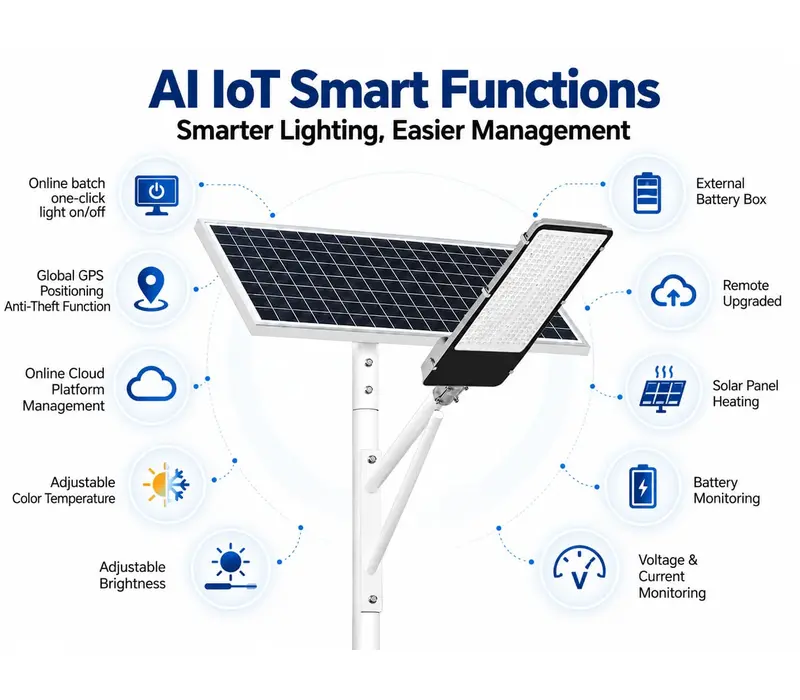
A suitable solar street light monitoring system may combine location records with battery status, charging information, communication status, and lighting settings. This gives operators more context when investigating an issue.
GPS positioning and remote communication perform different jobs. A device may receive satellite positioning signals but still need a separate network connection to upload its location. Remote tracking therefore depends on the selected hardware, available power, network coverage, and reporting settings.
How GPS Can Support Solar Street Light Theft Investigations
The value of GPS anti-theft tracking becomes clearer when equipment appears to have moved.
With compatible hardware and enabled functions, the platform may identify a location change or generate an abnormal movement alert. An operator can check the device record, review the latest available position, and determine whether authorized maintenance explains the change.
Where location history is supported and recorded, earlier updates may help establish when movement occurred and the sequence of reported locations. This can provide useful information for the project owner, security team, or local authorities.
It is important to distinguish the tracked device from the entire installation. If the GPS module is inside the controller, removing a separate panel or battery may not move that module. Protection depends on which components are monitored and which tamper or movement functions are included.
GPS tracking can support investigation and possible recovery. It cannot physically prevent removal or guarantee that stolen equipment will be found.

Illustrative scenario showing how GPS location information can support the investigation and recovery of a missing solar street light.

Physical Protection and Connected Monitoring Work Together
The installation photograph shows a solar lighting assembly enclosed by a metal cage. This illustrates a physical approach to protecting accessible equipment.
Physical protection can make removal more difficult. Depending on the installation, measures may include tamper-resistant fasteners, protected battery compartments, secure mounting arrangements, and suitable installation heights.
Connected monitoring serves a different purpose: helping operators understand what is happening after installation. A cage cannot report a device location. A location marker cannot secure a loose mounting bracket.
For sites with a history of theft, combining appropriate physical protection with GPS-enabled monitoring may provide a more useful approach than relying on either alone.
Any protective enclosure also needs engineering consideration. It should not compromise solar exposure, heat dissipation, structural safety, or maintenance access. The most suitable arrangement depends on the actual equipment and site conditions.

Fewer Inspection Trips Across Large Project Areas
Routine inspection becomes expensive when assets are widely dispersed. A technician may spend more time traveling between villages than checking individual lights.
Remote monitoring lets the team review available information before deciding which sites require a visit. Operators can identify devices that have stopped communicating, examine battery and charging data, and check whether a location appears inconsistent with the installation record.
This does not remove the need for physical inspections. Poles, foundations, wiring, mounting hardware, and panel cleanliness still require attention. It does help teams prioritize their work.
Rather than driving the entire route simply to discover which lights have problems, staff can prepare a focused maintenance schedule. Nearby issues can be grouped into one trip, and urgent faults can receive attention earlier.
For projects with limited vehicles and small maintenance teams, better scheduling can be a meaningful operational benefit.

Better Information Before a Technician Leaves
A report that “the light is off” gives a technician very little to work with. The cause could involve a depleted battery, charging problems, incorrect settings, damaged equipment, or missing components.
Available operating data can help narrow the investigation. Battery readings, charging records, LED output information, and communication status may indicate which checks should come first.
For example, a light that continues reporting from its installed location but shows weak charging data presents a different problem from a device whose reported location has changed.
The team can use that distinction to prepare suitable tools, replacement parts, and access equipment. This may reduce repeat visits caused by arriving without the right materials.
Remote information should guide diagnosis rather than replace it. A technician still needs to verify the actual condition of the installation and follow the appropriate repair procedure.
Understanding the Cost Savings
The financial benefit of smart solar street lighting should be assessed against the project’s real operating costs.
Potential savings may come from fewer routine inspection journeys, less time spent locating individual poles, better preparation for repairs, and faster investigation of missing assets. Avoiding even some unnecessary trips can matter where travel requires several hours or specialized transport.
There are also costs to include. Connected controllers, communication services, platform access, staff training, and replacement tracking hardware can affect the total budget.
A useful comparison considers annual maintenance and loss-related costs alongside the added cost of monitoring. Project owners should use their own travel records, labor rates, incident history, and service requirements.
A universal savings percentage would be misleading. The strongest business case is usually found where assets are difficult to reach, losses are costly, and operators have a clear process for acting on the information received.

Applications Where Location Visibility Is Especially Useful
Rural road networks are a natural application because lights may extend over long routes with few nearby maintenance resources. Accurate asset records help crews find the correct installation and organize work geographically.
Remote industrial sites can benefit for similar reasons. Access roads, storage areas, construction compounds, and perimeter routes may need lighting without having staff continuously present at every location.
Community infrastructure projects also need clear ownership records. A map-based inventory can help local teams identify which lights belong to the project, where they were installed, and which units require attention.
Temporary installations introduce another use. Equipment may be relocated legitimately as construction progresses. Updated records help distinguish planned movement from unexplained relocation, provided the team documents those changes.
The common requirement is straightforward: knowing where equipment belongs and having a practical way to investigate when its status changes.
Illustrative scenario showing how GPS location information can support the investigation and recovery of a missing solar street light.
What to Confirm Before Ordering GPS-Enabled Solar Street Lights
Start with communication coverage at the actual installation sites. Coverage near a town does not establish that every remote road or valley has a usable signal. Confirm that the controller supports an appropriate local network.
Next, ask how location updates and alerts work. Reporting intervals affect how current the information is, while frequent communication can add to energy use. Confirm whether movement alerts, geofencing, and location history are included in the proposed configuration.
Power availability also matters. Ask what happens if the main battery is disconnected and whether any independent backup supply is included. Without power, the tracking device cannot continue operating.
Finally, check platform access, data retention, user permissions, and ongoing fees. Buyers should understand which functions are standard, which are optional, and what information remains available if communication is interrupted.
A demonstration using the intended controller and platform is more useful than a feature list alone.
Turn Alerts into a Practical Response
A monitoring platform is only useful when someone is responsible for checking it.
Before commissioning, assign each light a unique asset number and verify its installed location. Record the configuration and give the appropriate staff access to the platform.
Agree on who receives alerts, who checks whether maintenance was authorized, and who arranges a site inspection. For unexplained movement, staff should preserve the available records and coordinate with the responsible security team or local authorities.
Clear procedures also reduce confusion. An offline device does not automatically mean theft, and a location change may reflect planned maintenance. Checking the context helps avoid unnecessary dispatches while ensuring genuine problems receive attention.
For remote projects, this combination of equipment, records, and responsibility is what turns GPS positioning into useful asset management.
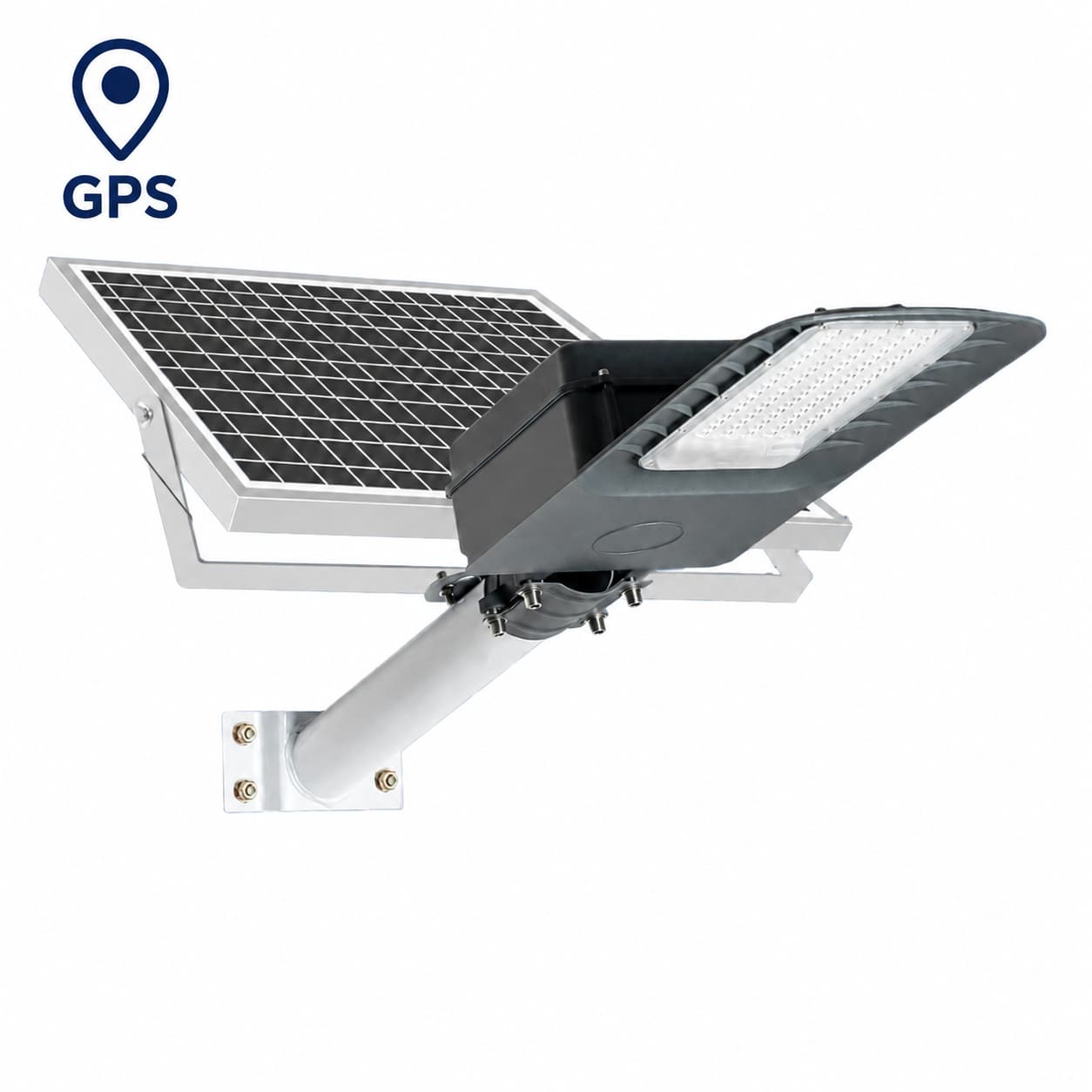
Explore the HC-ZY-01 GPS-Enabled Solar Street Light
Planning a remote lighting project? Explore the HC-ZY-01 AI IoT solar street light and confirm the GPS tracking, communication, and monitoring functions available for your installation.
FAQs:
1.Plan Protection Around the Site
Choosing AI IoT solar street lights with GPS tracking begins with understanding the project’s risks. How far apart are the lights? How often can staff inspect them? Which components have previously been targeted? Is a suitable communication network available?
Those answers help define the controller, tracking functions, physical protection, and maintenance process the installation needs.
Werise can help review these requirements when planning a solar street lighting configuration. Share your site locations, maintenance arrangements, and asset protection concerns so the proposed system can be matched to the work your team needs to do.
2.Can GPS tracking prevent solar street light theft?
GPS tracking supports asset monitoring and theft investigations by providing available location information. It does not physically prevent removal. Secure mounting, tamper-resistant hardware, and a clear response process remain important.
3.Does GPS tracking work without a communication network?
GPS positioning and data transmission are separate functions. A device may determine its location, but remote updates require a supported communication connection. When connectivity is unavailable, the platform may only show the last reported location.
4.Can a solar street light still be tracked after its battery is disconnected?
Continued tracking requires power. Whether the device can keep reporting after the main battery is disconnected depends on whether an independent backup supply is included in the selected configuration.
5.Can operators review the movement history of a missing light?
Movement history is available only when supported by the controller and platform and when location updates have been recorded. Reporting intervals, connectivity, and data retention settings affect the information available.
6.Will GPS detect the removal of a separate solar panel or battery?
Not necessarily. If the GPS module remains in place, removing another component may not change its location. Component protection depends on the tracking arrangement and any additional tamper or disconnection monitoring provided.
7.How can remote monitoring reduce maintenance costs?
Operators can review available device information before arranging a visit, group nearby maintenance tasks, and prepare suitable parts. Actual savings depend on travel distances, labor costs, incident history, and monitoring expenses.
8.What should buyers confirm before ordering?
Confirm local network compatibility, location reporting intervals, supported alerts, power requirements, platform access, data retention, and ongoing charges. These details should be specified for the proposed project configuration.